
Searching Houston County Criminal Dockets
Minnesota Court Records Online is known as MCRO. It is the free public entry point for a Houston County criminal docket search. Agree to its terms first. Then pick Name, Case Number, Citation Number, or Attorney. Choose Criminal as the case type. Narrow the court location to Houston County when the venue is known. The system returns public case detail along with the Register of Actions. Treat it as unofficial. MCRO cannot certify a record.
A case number, citation number, or attorney name is usually the most direct starting point. Search exact spellings. MCRO also permits a trailing wildcard after two characters. Its Sounds Like option broadens a name search and cannot be combined with a wildcard. Open the matching case detail page, not just the result list. Then compare any future setting with the hearing search or Houston calendar.
- Open MCRO and select the search mode that matches the information available.
- Choose Criminal and select Houston County from the specific court locations.
- Enter the narrowest reliable name, case number, citation number, or attorney detail.
- Open the Register of Actions to review events, settings, and available public documents.
- Use Court Administration for a certified copy, an access question, or a setting that needs confirmation.
The portal has one quirk. Once a search session starts, use its own navigation buttons instead of the browser Back button.
Houston County Criminal Case Number Fallback
A pending Houston County criminal case may not show up in a defendant-name search. Blame Minnesota Rule 8. It limits electronic name searching for a pending criminal case without a conviction. Yet a case-number search may still return public information. The case has not vanished. It reflects an access rule. MCRO does not promise to explain every empty name result.
Recheck spelling, middle initials, category, and the case or citation number. Still nothing public? Use the courthouse public terminal. Or ask Houston County District Court / Court Administration about the lawful route. Do not try to dodge a restricted search category with repeated broad searches.
Houston County Court Administration keeps the local criminal record. MCRO supplies the statewide search screen. A citation helps when an enforcement document supplies that number. For a known court file, the case number wins. It ties Case Search, Document Search, Hearing Search, and the local records request together as one identifier.
Inside a Houston County Criminal Docket
The Register of Actions runs in time order. A public case detail page can identify the court, the filing date, and the judicial officer. It also names the criminal category, the status, and the parties and attorneys. Events and settings appear as the case type permits. Not every case shows every field. Leave a missing financial, document, or outcome field alone rather than guessing at what might fill it.
| Case number | The court’s identifier. Use it for the most precise MCRO and Document Search route; the blank public form does not publish a local format. |
|---|---|
| Charge and parties | Publicly displayed charge description, statute or classification, the prosecuting role, defendant, and counsel where available. |
| Register events | Complaint, appearance, motion, order, plea, sentencing, probation review, disposition, or appeal activity. |
| Settings | Date, time, location or Zoom session, judicial officer, hearing type, connection type, and case number when shown. |
| Documents and outcome | Available public documents, judgment or disposition fields, and financial entries only when the case view displays them. |
Houston County Criminal Register Events
The public interface publishes no Houston County event-code glossary. Plain event concepts still help. They separate a hearing from a final outcome. Read the newest event alongside the earlier and later entries, especially when the docket shows both an old setting and a reset setting.
- First appearance
- An initial criminal court event after a charge reaches the court.
- Arraignment
- An appearance where the charge, rights, and plea process are addressed.
- Omnibus hearing
- A criminal pretrial event that may address motions, probable cause, discovery, or readiness.
- Disposition
- The recorded resolution or required next step. A scheduled hearing by itself is not a disposition.
Houston's public calendar leans on familiar labels. They include First Appearance, Arraignment, Omnibus Hearing, Pre-trial, Sentencing, and Probation Violation Hearing. The Register of Actions supplies the case-specific context for those labels.
A Houston County criminal docket entry can also record an order, continuance, plea, or sentence. Probation reviews and appeal references appear there too. A continuance only moves a setting. It decides nothing about the charge. So when Houston County records show a later order after a hearing, read both entries before calling the hearing the final word.
How a Criminal Case Moves
Most Houston County criminal dockets trace the same arc. A complaint or charging entry comes first. A summons or citation often follows. From there the docket may move through a first appearance, arraignment, an omnibus or pretrial event, motions, and a plea or trial, ending in a disposition or sentencing. Probation review or a violation hearing can appear later. The sequence varies by case, and a calendar label alone is not proof the case reached the next stage.
Docket flow: Complaint or citation › First appearance › Arraignment › Omnibus or pretrial › Plea or trial › Disposition › Sentencing or review
Need the current setting? Run the MCRO Hearing Search, then cross-check the Houston daily calendar PDF; that PDF lists scheduled hearings only, never a complete criminal docket.
Houston County Criminal eFS and Documents
Minnesota eFile and eServe goes by eFS. It is a filing and service system for participants, not the public reader for a Houston County criminal docket. The Judicial Branch also lists criminal complaints, citations, and tab charges among the charging documents. Those are handled outside the eFS filing route. So begin any public record search with MCRO or Court Administration. An eFS login is not a search tool.
The official eFile and eServe instructions describe what filers must do. They also cover compatible devices.
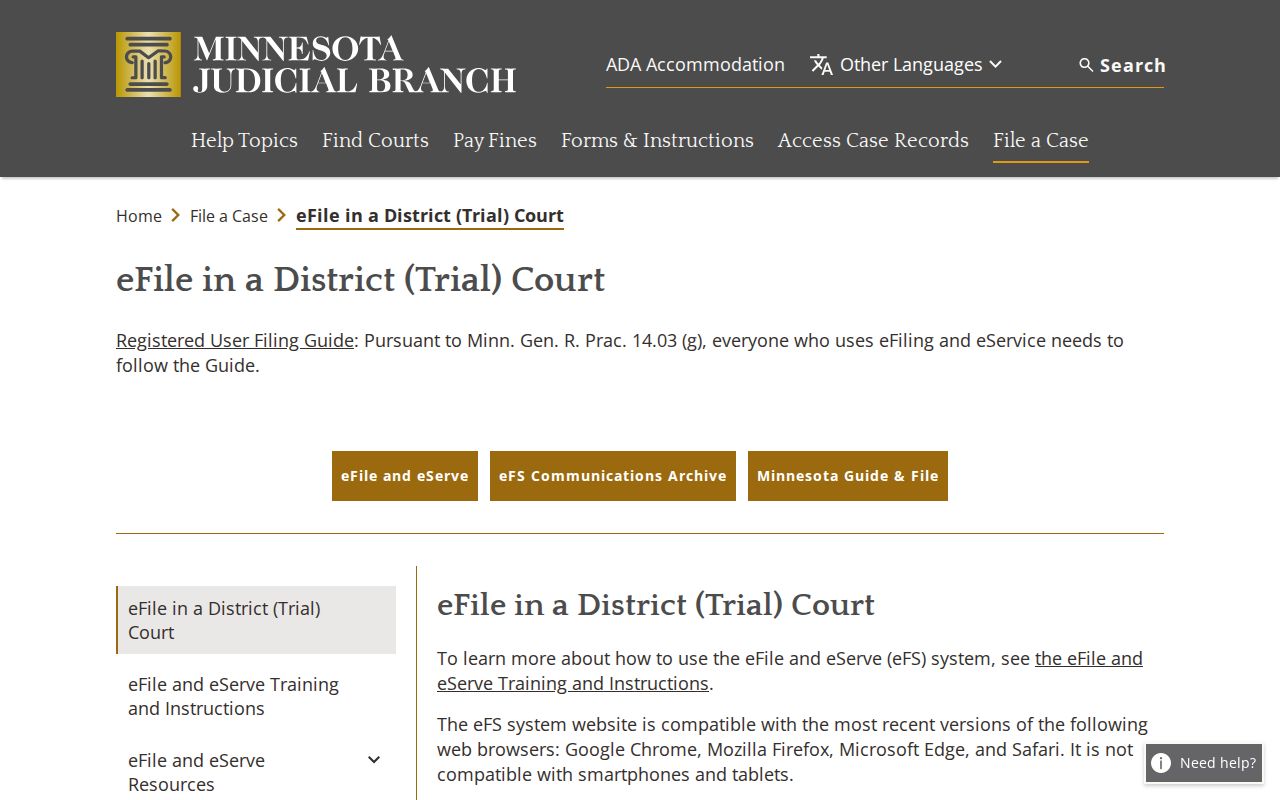
That filing workflow sits apart from the Register of Actions. It never replaces the public criminal docket search.
The MCRO Document Search interface works differently. It takes a case-number field and returns public documents when one is available under the case type, the date rules, and Rule 8.
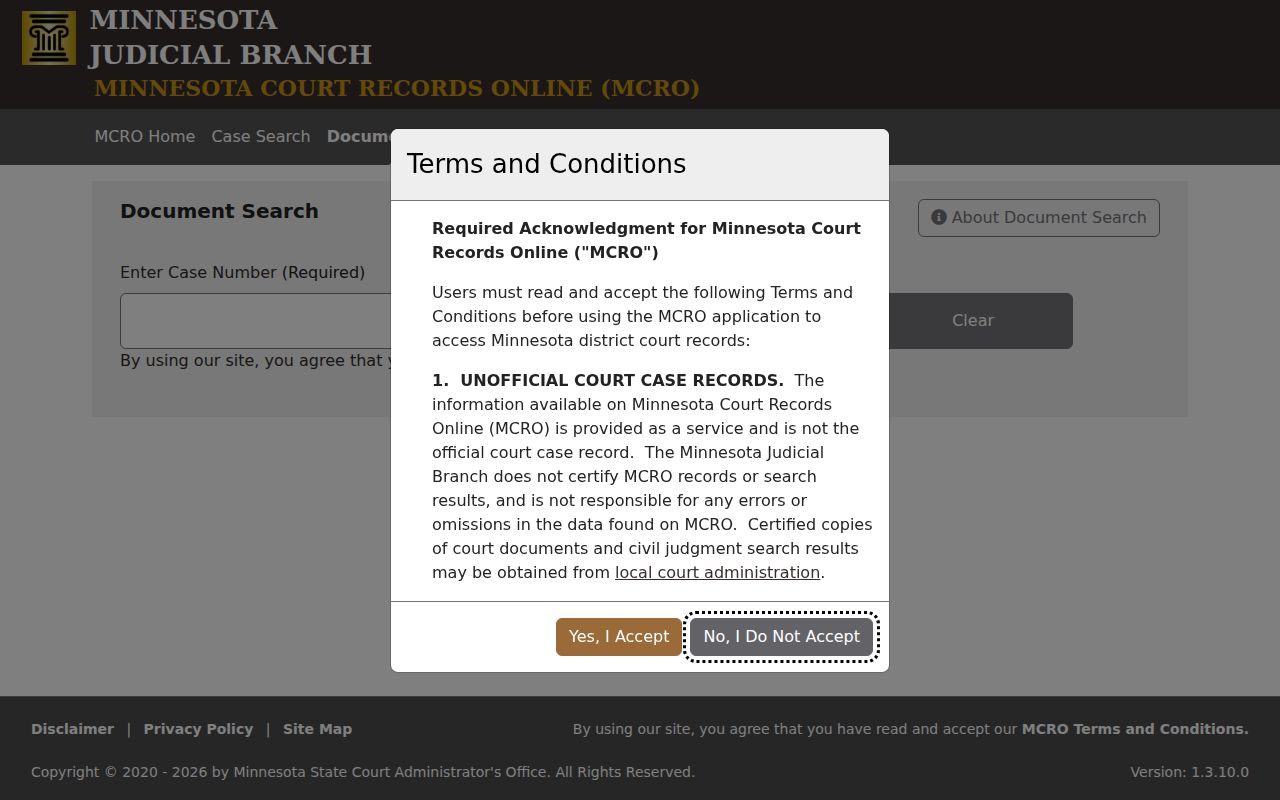
A docket result never guarantees a viewable filing image.
Courts That Hold Criminal Dockets
Criminal dockets in Houston County all live under one roof. The Houston County District Court belongs to Minnesota's Third Judicial District. It handles every case type filed locally: felony, misdemeanor, traffic, civil, family, probate, juvenile, mental-health, and conciliation. So there is no separate criminal clerk here. Court Administration keeps the records for all of it. One office answers docket questions for the whole courthouse.
Want to know who sits on the bench? The official judicial-officer biography names the judge currently assigned to the Houston County court docket.
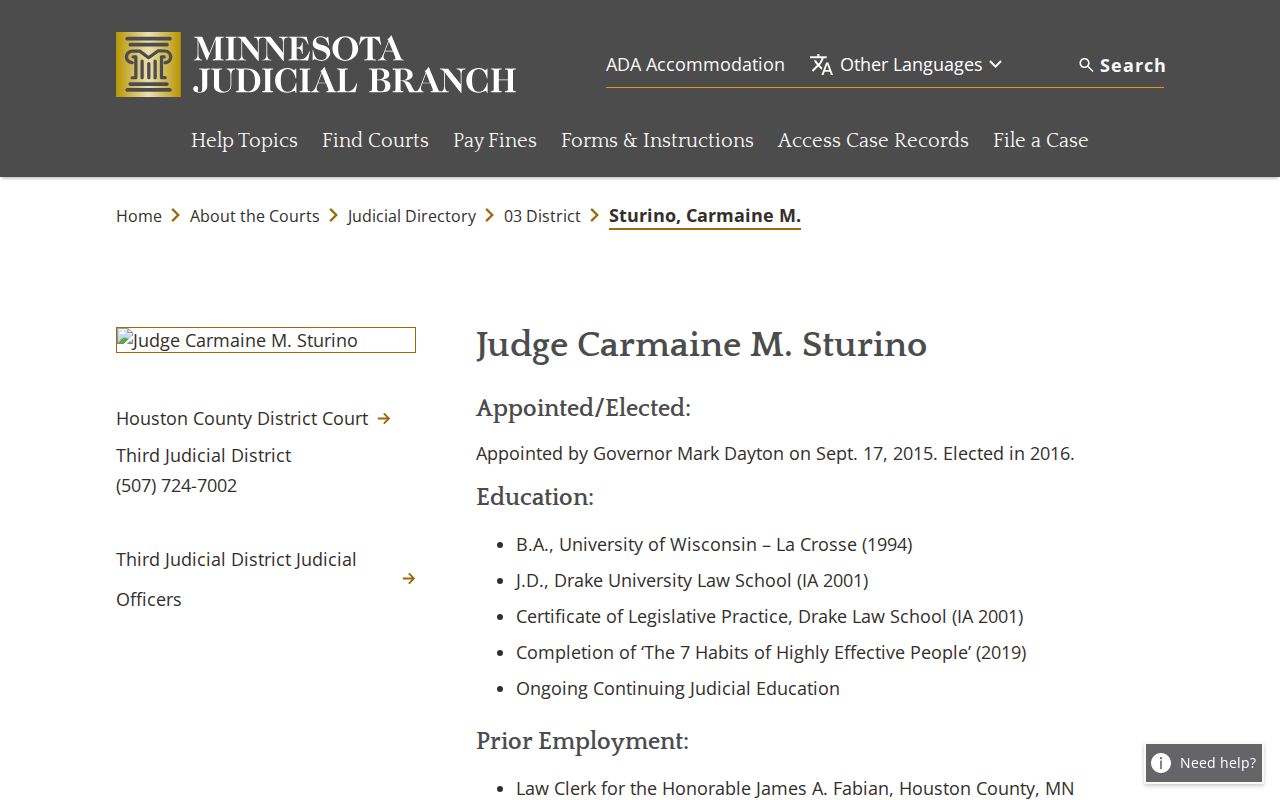
That page settles the local court context. For the actual Register of Actions on a case, MCRO and Court Administration remain the two routes worth using.
Houston County Criminal Copy Route
MCRO is free. It works well for an unofficial, public look at a Houston County criminal docket. A certified copy is different. Court Administration produces those. The local office sits at the Houston County Courthouse / Justice Center, 306 S. Marshall Street, Suite 2100, Caledonia, Minnesota 55921. You can also reach Houston County Court Administration by phone at 507-724-7002. Regular business hours run Monday through Friday, 8:00 a.m. to 4:30 p.m.
The statewide copy-request instructions cover in-person requests, a mailed copy form or letter, and certain filing routes for parties. Walk-in requests are often finished the same day. A file stored off site can take longer. Fees come from the Houston fee catalog. An uncertified MNCIS print, scan, photo, or screen print costs $0. A certified copy runs $14 for each listed unit or document.
Mailing a request? Use the statewide copy form or a letter. Name the county, the case number, the parties or roles if known, the document wanted, the copy type, a delivery contact, and payment. Call ahead to confirm where Houston County wants payment mailed. The public form itself is statewide.
Note: Bring the case number and a document description when you have them. Those details let Court Administration pull the correct criminal file fast.
Sealed Dockets and Public Access
Minnesota starts from a presumption that court records are public. Remote access is another matter. MCRO can leave out pending criminal name results. It also bars juvenile, child-protection, domestic-abuse, harassment, commitment, sealed, and expunged material. A public terminal at the courthouse can show more than the online layer in some categories. When a record is restricted, Court Administration will explain how to request access properly. An ordinary copy request, though, does not unlock confidential material.
Key rules:
Minnesota Public Access Rules, Rules 2 and 8 presume access to court records while setting inspection, remote-access, redaction, and restricted-category rules.
Minnesota Statutes section 13.90 places judicial records under Supreme Court public-access rules rather than the ordinary Chapter 13 regime.
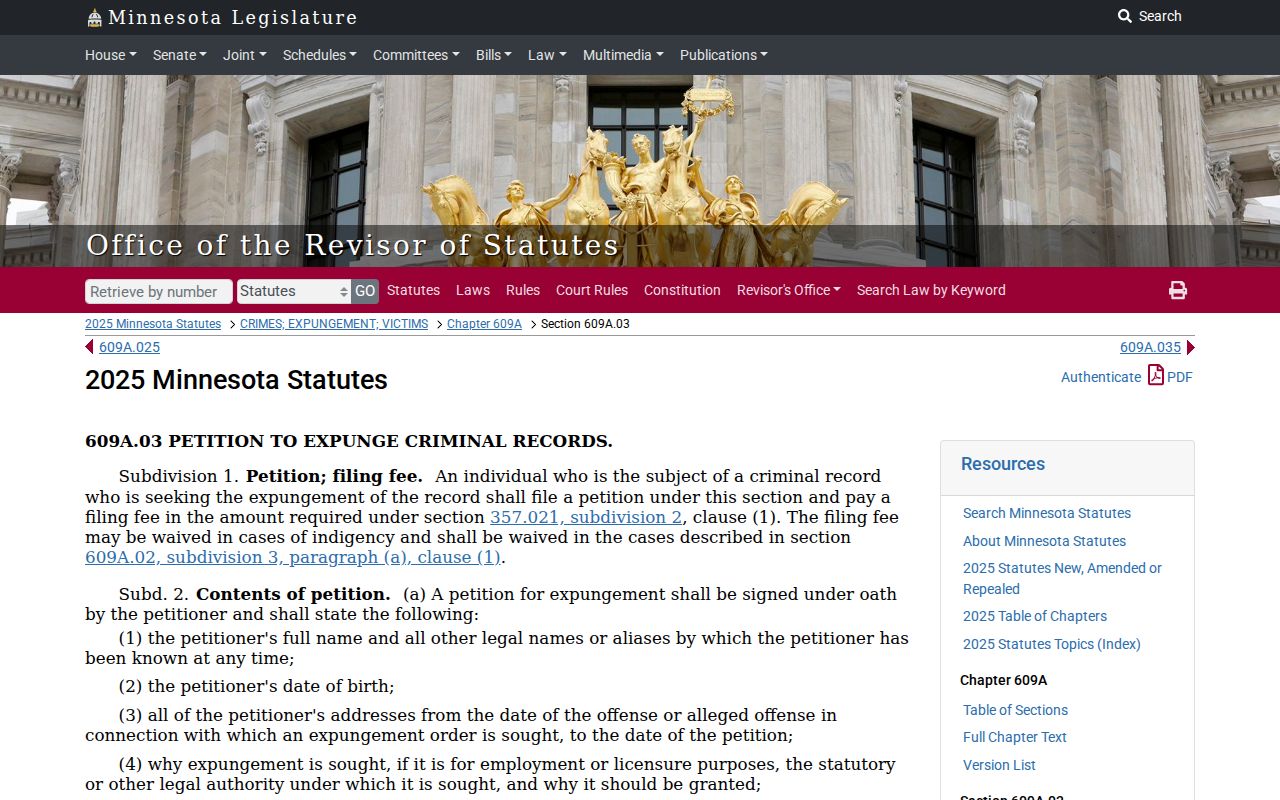
Minnesota Statutes section 609A.03 supplies the expungement framework and its record-access consequences.
The Minnesota Judicial Branch expungement information explains that sealing does not necessarily mean destruction.
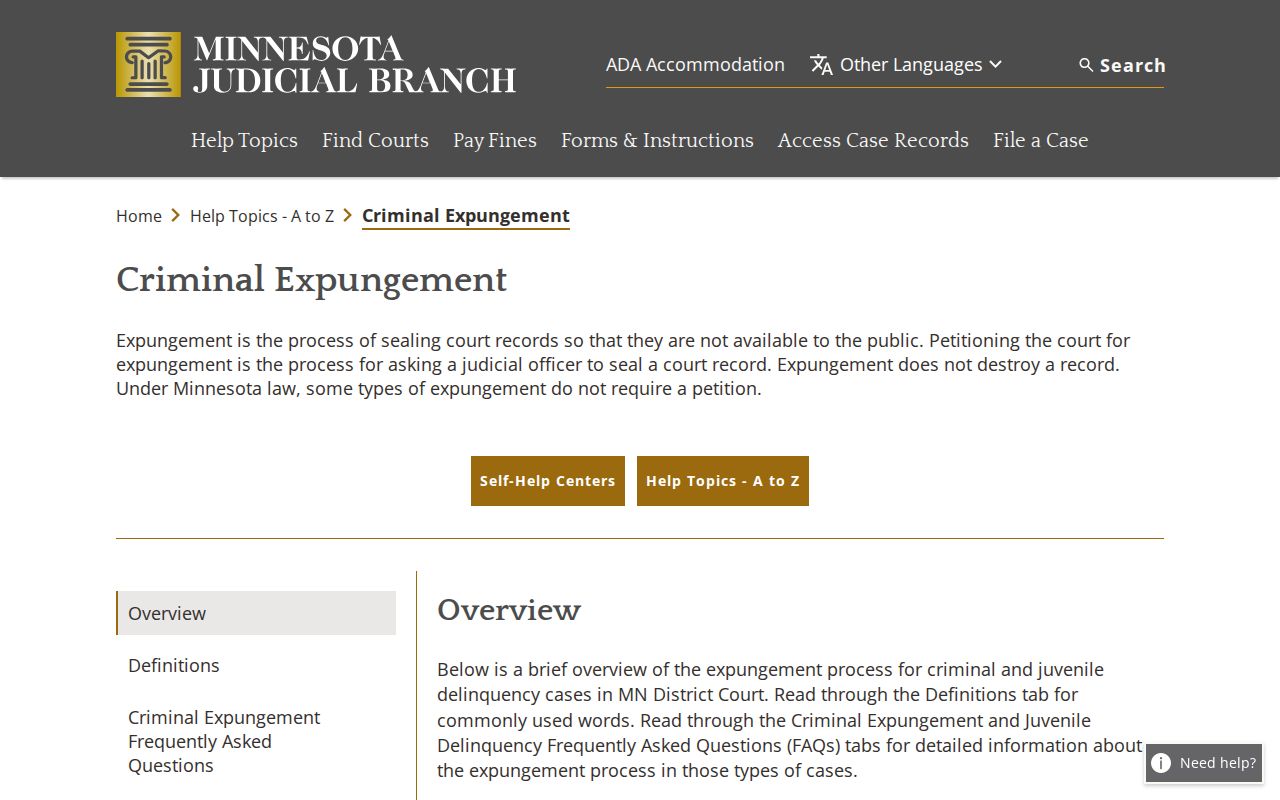
An expunged or sealed entry in an online docket search is not a missing record. It calls for the lawful Court Administration process, not a workaround.
Official section 609A.03 text sets out the full expungement framework in the statutes.
Denied or delayed? The Rule 7 request can be oral or written, and the custodian must state the basis for the denial. Rule 9 then supplies an appeal route.
Houston County Criminal Entries Missing Online
A Houston County entry missing from an online docket search can have several causes: the pending-name rule, a protected category, expungement, retention destruction, an older paper file, or a simple search mismatch. Rule out the category and identifier problems first. Then go from MCRO to the public terminal at the Houston courthouse, where statewide public case records run broader than remote access allows.
The public calendar is thin by design, too. Confidential matters and non-remotely accessible cases may never appear, and an empty calendar slot proves nothing about whether a hearing was cancelled or reset. For the most current local confirmation, use the printed calendars posted in the public lobby and outside the courtrooms. When a setting conflicts or the right record route is unclear, call Court Administration at 507-724-7002.
Note: Court staff can identify the record custodian and the access route. They cannot give advice about a criminal case.